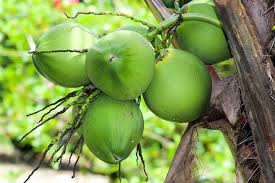
Sustainable Energy from Coconut Waste

Coconut is one of the most widely utilized agricultural products in tropical countries, generating significant amounts of by-products such as shells, husks, and fibers. These materials are often discarded, leading to environmental challenges like pollution and inefficient waste management. However, with growing interest in renewable solutions, sustainable energy from coconut waste has emerged as an innovative approach to convert this biomass into valuable energy sources.
By transforming agricultural residues into biofuels and other energy products, this method not only reduces waste but also supports global efforts toward cleaner and more sustainable energy systems.
Sustainable Energy from Coconut Waste: A Promising Solution
The concept of converting coconut waste into energy is rooted in the principles of circular economy and sustainability. Materials such as coconut shells and husks can be processed into biofuels, including charcoal briquettes, bio-oil, and even syngas through pyrolysis and gasification methods. These energy products are cleaner alternatives to traditional fossil fuels and can significantly reduce carbon emissions.
One of the most popular applications is the production of charcoal briquettes from coconut shells. These briquettes are known for their high calorific value, longer burning time, and minimal smoke production. They are widely used for cooking and heating, especially in regions where access to conventional fuels is limited. Moreover, the production process creates job opportunities in rural areas, enhancing local economies.
For further insights into industry applications, you can explore coconut shell charcoal briquettes, which highlights how coconut-based products are being utilized globally.
Another advantage of sustainable energy from coconut waste is its scalability. Small-scale farmers and communities can adopt simple technologies to convert waste into usable fuel, while larger industries can invest in advanced processing facilities.
This flexibility makes it an inclusive solution that benefits various economic levels. In addition, government support and environmental policies are increasingly encouraging the adoption of biomass-based energy solutions.
Additionally, coconut biomass is considered carbon-neutral. The carbon dioxide released during combustion is roughly equal to the amount absorbed by the coconut tree during its growth. This balance makes it a more environmentally friendly option compared to fossil fuels, which release stored carbon into the atmosphere.
Beyond briquettes, coconut waste can also be used to generate electricity through biomass power plants. These facilities use agricultural residues as fuel to produce steam, which drives turbines to generate power.
Such systems can help rural communities achieve energy independence while reducing reliance on non-renewable resources. This makes sustainable energy from coconut waste a practical solution not only for households but also for industrial energy needs.
To understand more about this growing sector, visit renewable energy from coconut waste, where detailed information on technologies and benefits is available.
Conclusion
Transforming coconut waste into energy presents a practical and sustainable solution to two major global challenges: waste management and energy demand. By utilizing materials that were once discarded, this approach supports environmental conservation while promoting economic growth.
The development of sustainable energy from coconut waste demonstrates how innovation can turn agricultural by-products into valuable resources. As awareness and technology continue to advance, this method has the potential to play a significant role in the transition toward cleaner and more sustainable energy systems worldwide.



More Stories
Analisis Kebutuhan Informasi Pengguna Website untuk Konten
Ketika seseorang mengunjungi website, setiap orang tentu memiliki tujuan yang berbeda. Ada pengunjung yang ingin mencari informasi produk, memahami layanan,...

Cara Menemukan Peluang Topik SEO untuk Konten Website
Mencari ide untuk membuat konten website memang sering terasa mudah pada awalnya. Namun, ketika sudah menghasilkan banyak artikel, seseorang bisa...
Susunan Konten Website Perusahaan yang Terarah dan Informatif
Susunan Konten Website perusahaan biasanya langsung tertuju pada desain, warna, logo, dan tampilan halaman utama. Padahal, tampilan menarik saja belum...
Cara Menggunakan Hand Traktor Dua Roda dengan Aman
Cara menggunakan hand traktor dua roda perlu dipahami sebelum mengolah lahan. Pengguna baru sebaiknya mengenali kendali, membaca buku panduan, dan...

Cara Agar Artikel Dibagikan dan Lebih Banyak Pembaca
Membuat artikel memang membutuhkan waktu, mulai dari mencari topik, menyusun ide, menulis pembahasan, hingga memeriksa kembali setiap bagian sebelum publikasi....
Website Nyaman untuk Pengunjung dengan Pengalaman Browsing yang Lebih Baik
Pengunjung biasanya memiliki tujuan tertentu ketika membuka sebuah website. Mereka mungkin ingin membaca informasi, mencari produk, menggunakan layanan, atau menghubungi...
