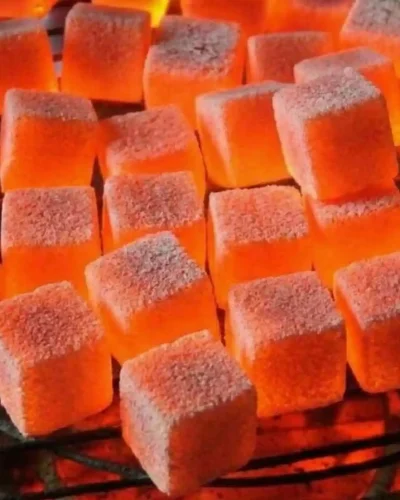
Shisha Charcoal Making: Step Guide for Beginners

Hookah, also known as shisha, is a traditional smoking method enjoyed worldwide in homes, lounges, and cafes. A critical factor in a smooth and enjoyable hookah session is the charcoal used. In this article, Shisha Charcoal Making: Step Guide for Beginners will walk you through the entire process, helping you understand how high-quality charcoal affects heat, flavor, and overall hookah performance. Understanding shisha charcoal making is essential for beginners who want to select the right charcoal and achieve a consistent, flavorful smoking experience.
What Is Shisha Charcoal?
Shisha charcoal is a specialized fuel designed to heat shisha tobacco without burning it directly. Unlike regular charcoal, it provides consistent heat, long-lasting burn, and minimal odor. Properly made shisha charcoal enhances the flavor of the tobacco, produces smoother smoke, and ensures that every hookah session is safe and enjoyable.
Charcoal types include natural charcoal, quick-light charcoal, and briquette charcoal. Each type offers different benefits: natural charcoal delivers clean flavor, quick-light is convenient for beginners, and briquette charcoal provides uniform heat for longer sessions.
Step-by-Step Guide to Shisha Charcoal Making
Beginners can better appreciate quality charcoal by understanding its production process:
- Selecting Raw Materials
High-quality raw materials are the foundation. Coconut shells, hardwood, or sawdust are commonly used. Coconut shell charcoal is preferred for clean burning and minimal smoke, while hardwood provides durability and long-lasting heat. - Carbonization
The raw materials are heated in a controlled environment without oxygen. This process removes moisture and volatile compounds, leaving behind carbon-rich material that burns evenly. - Grinding and Sieving
The carbonized material is ground to uniform particle size to ensure consistency in burning and reduce ash production. - Forming Briquettes
For briquette charcoal, the powdered material is mixed with natural binders and compressed into blocks. Uniform briquettes offer predictable heat and longer-lasting sessions. - Drying and Packaging
The final step involves drying the charcoal to remove residual moisture and packaging it to maintain quality. Proper storage ensures that the charcoal remains effective and safe until use.
Best Practices for Beginners
- Handle With Tongs – Always use tongs to manage hot charcoal.
- Use Ventilated Spaces – Prevent carbon monoxide buildup by using charcoal in open or ventilated areas.
- Start Small – Beginners should begin with fewer charcoal pieces to manage heat effectively.
- Adjust Heat Carefully – Proper placement on the hookah bowl or heat management device ensures tobacco doesn’t burn too quickly.
Conclusion
Understanding shisha charcoal making gives beginners a clear view of why high-quality charcoal is essential for a smooth, flavorful hookah session. From raw material selection to carbonization, forming, and packaging, each step affects burn consistency, flavor, and safety. By following best practices and handling charcoal responsibly, beginners can enjoy longer, safer, and more satisfying hookah experiences. Click yukirai.com to discover more expert tips and elevate your next shisha session!



More Stories
Analisis Kebutuhan Informasi Pengguna Website untuk Konten
Ketika seseorang mengunjungi website, setiap orang tentu memiliki tujuan yang berbeda. Ada pengunjung yang ingin mencari informasi produk, memahami layanan,...

Cara Menemukan Peluang Topik SEO untuk Konten Website
Mencari ide untuk membuat konten website memang sering terasa mudah pada awalnya. Namun, ketika sudah menghasilkan banyak artikel, seseorang bisa...
Susunan Konten Website Perusahaan yang Terarah dan Informatif
Susunan Konten Website perusahaan biasanya langsung tertuju pada desain, warna, logo, dan tampilan halaman utama. Padahal, tampilan menarik saja belum...
Cara Menggunakan Hand Traktor Dua Roda dengan Aman
Cara menggunakan hand traktor dua roda perlu dipahami sebelum mengolah lahan. Pengguna baru sebaiknya mengenali kendali, membaca buku panduan, dan...

Cara Agar Artikel Dibagikan dan Lebih Banyak Pembaca
Membuat artikel memang membutuhkan waktu, mulai dari mencari topik, menyusun ide, menulis pembahasan, hingga memeriksa kembali setiap bagian sebelum publikasi....
Website Nyaman untuk Pengunjung dengan Pengalaman Browsing yang Lebih Baik
Pengunjung biasanya memiliki tujuan tertentu ketika membuka sebuah website. Mereka mungkin ingin membaca informasi, mencari produk, menggunakan layanan, atau menghubungi...
