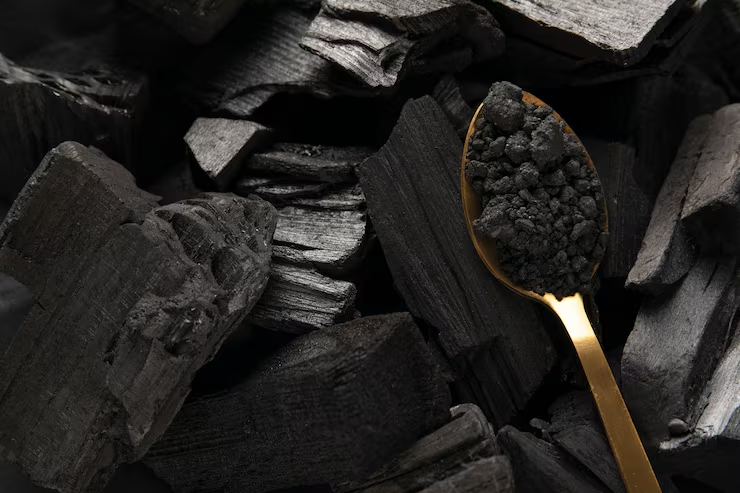
Renewable Coconut Briquette Fuel, A Green Energy Alternative
In the global transition toward greener energy, one fuel type is gaining remarkable attention: renewable coconut briquette fuel. Derived from discarded coconut shells, this eco-friendly energy source has become a practical and sustainable replacement for wood charcoal and even fossil fuels. With its clean combustion, long-lasting burn, and wide range of applications, coconut briquettes are reshaping how communities cook, heat, and power small industries.
Understanding Renewable Coconut Briquette Fuel
At its core, renewable coconut briquette fuel is made by carbonizing coconut shells—often considered waste—and compressing them into solid briquettes. Unlike lump charcoal, these briquettes are uniform in shape and density, ensuring consistent heat and performance.
The renewable aspect lies in the resource itself: coconut trees grow abundantly across tropical regions, producing millions of shells each year. Instead of letting this byproduct go unused, it is transformed into an energy source that helps reduce dependence on non-renewable fuels. Learn more about this innovation at coconut briquettes renewable fuel.
Why Renewable Coconut Briquettes Are Important
-
A Greener Alternative
Traditional charcoal production contributes heavily to deforestation and air pollution. By contrast, coconut briquettes utilize waste material, protecting forests while reducing harmful emissions. -
Energy Security
As fossil fuels become more expensive and scarce, communities need reliable alternatives. Coconut briquettes offer a renewable, affordable, and widely available option. -
Cleaner Air Quality
Smokeless and low in harmful chemicals, coconut briquettes improve health outcomes by reducing exposure to dangerous fumes, especially in households that cook daily with solid fuels.
Benefits of Using Renewable Coconut Briquette Fuel
-
Sustainable Resource – Made entirely from natural coconut shells, ensuring long-term availability.
-
Longer Burn Time – Burns up to three times longer than conventional wood charcoal.
-
Low Smoke & Odor – Ideal for indoor and outdoor cooking, shisha sessions, or heating.
-
Economic Opportunity – Creates jobs in rural communities where coconuts are harvested.
-
Minimal Waste – Low ash residue makes it more efficient and cleaner to use.
Practical Applications
-
Barbecue Cooking – Perfect for grilling meat, seafood, or vegetables, as it maintains steady heat.
-
Shisha and Hookah – Popular in international markets for producing smooth, clean smoke.
-
Household Heating – An affordable solution during cold weather, especially in areas without electricity.
-
Small-Scale Industries – Used in bakeries, food drying, and craft industries that require constant heat.
Global Demand for Renewable Fuel
With the growing awareness of climate change, markets in Europe, the Middle East, and North America are turning to eco-friendly fuels. Renewable coconut briquette fuel is now exported globally, helping coconut-producing countries strengthen their economies.
For exporters, this demand translates into lucrative opportunities. By supplying eco-conscious consumers with renewable fuel, businesses can thrive while promoting sustainability.
Conclusion
Renewable coconut briquette fuel is more than just an alternative to traditional charcoal—it is a pathway to a cleaner, greener, and more sustainable future. By turning waste into a valuable energy source, it reduces environmental impact, supports local economies, and offers high performance for cooking, heating, and industrial use.
As the world continues to prioritize renewable energy, coconut briquettes stand out as a practical, affordable, and eco-friendly solution. Adopting this fuel means choosing efficiency while helping to protect our planet for generations to come.