Coconut Charcoal vs Hardwood Charcoal

Choosing the right charcoal can make a significant difference in cooking performance, efficiency, and environmental impact. Among the popular options are coconut charcoal and hardwood charcoal. Many people wonder which one is superior in terms of heat, burn time, and sustainability. When comparing coconut briquettes vs charcoal, it is important to consider consistency, burn time, and environmental benefits. In this article, we will compare coconut charcoal vs hardwood charcoal, their advantages, drawbacks, and practical uses.
What Is Coconut Charcoal?
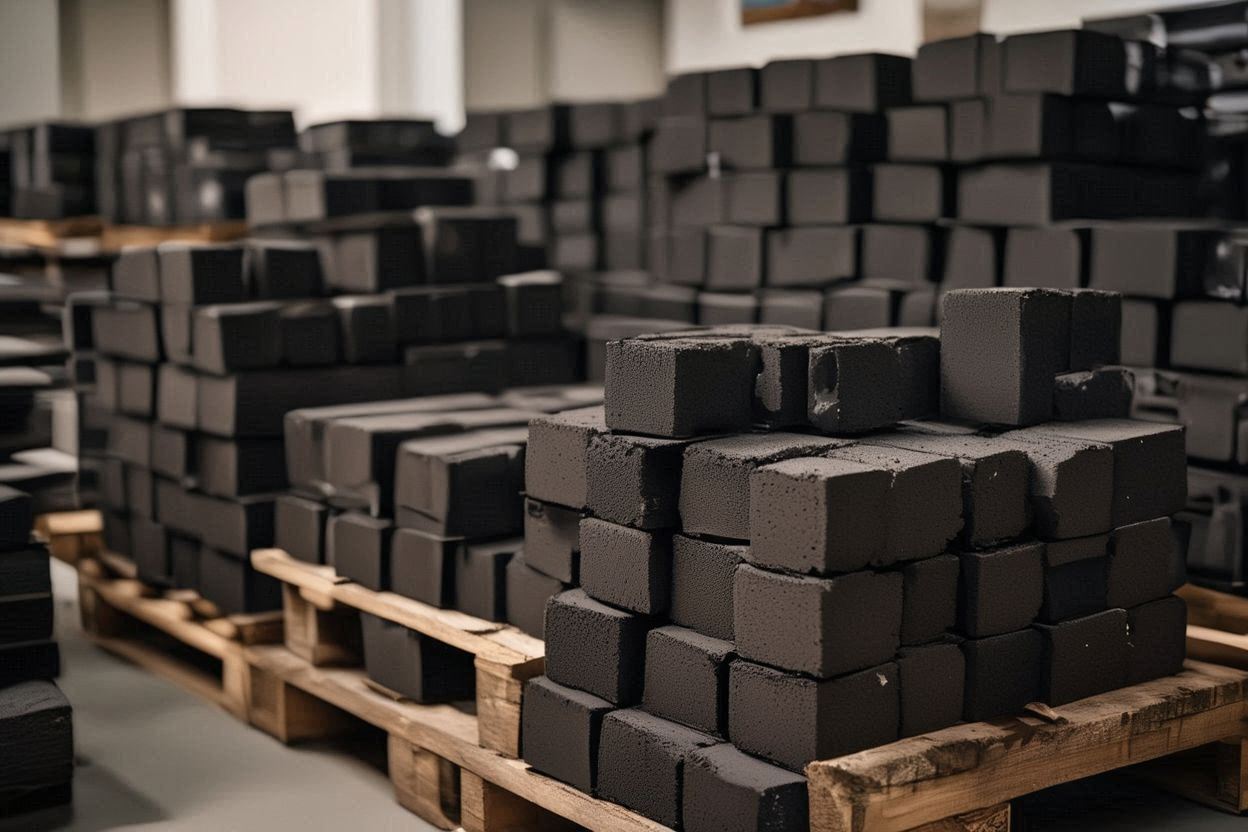
Coconut charcoal is produced from the hard shells of coconuts using a process called pyrolysis. In this method, the shells are burned in a low-oxygen environment, leaving behind dense, carbon-rich charcoal. Coconut charcoal is commonly sold in briquette form, providing a uniform size that ensures even heat distribution.
This type of charcoal has gained popularity because it is eco-friendly, uses agricultural waste, and offers superior burning properties compared to traditional wood-based charcoal. Many consumers also compare coconut briquettes vs charcoal to determine which fuel is better for grilling, barbecues, and indoor cooking.
What Is Hardwood Charcoal?
Hardwood charcoal is made from various hardwood trees, such as oak, maple, or hickory. The wood is carbonized in a kiln or pit to produce charcoal. Hardwood charcoal is widely used due to its natural availability and strong heat output.
However, hardwood charcoal can produce more smoke and ash than coconut charcoal, and its burn time may be shorter. The quality also varies depending on the type of wood and production methods.
Advantages of Coconut Charcoal
1. Longer Burn Time and Higher Heat
Coconut charcoal is dense, which allows it to burn hotter and longer than hardwood charcoal. This makes it ideal for grilling or cooking dishes that require steady, consistent heat. Users often notice fewer interruptions while cooking, as coconut briquettes maintain their temperature for a longer period.
2. Cleaner and Low Smoke
Coconut charcoal produces minimal smoke and very little ash. This results in cleaner cooking conditions, reducing residue and harmful emissions. For indoor cooking or professional kitchens, this is a significant advantage over hardwood charcoal.
3. Eco-Friendly
Coconut charcoal is made from shells that would otherwise be discarded, making it a sustainable choice. Unlike hardwood charcoal, which may contribute to deforestation, coconut charcoal supports a circular economy and environmentally responsible practices.
Comparing Coconut Briquettes vs Charcoal
When evaluating coconut briquettes vs charcoal, several factors are important:
- Consistency: Coconut briquettes are uniform in shape and size, providing even heat throughout the cooking process.
- Ease of Use: Briquettes are easy to light and maintain, whereas hardwood charcoal can vary in size and quality.
- Cost-Effectiveness: Although coconut charcoal may have a slightly higher initial cost, its longer burn time makes it more economical in the long run.
These factors make coconut briquettes a preferred choice for restaurants, catering services, and home cooks seeking reliability and efficiency.
Disadvantages of Coconut Charcoal
Despite its advantages, coconut charcoal has some limitations. It can be more expensive than hardwood charcoal in regions where coconuts are less abundant. Additionally, certain traditional recipes may benefit from the distinct smoky flavor of hardwood charcoal, which coconut charcoal may not fully replicate.
Conclusion
In the debate of coconut charcoal vs hardwood charcoal, coconut charcoal stands out for its long burn time, high heat, low smoke, and eco-friendly production. When considering coconut briquettes vs charcoal, many users find coconut briquettes more consistent, clean, and cost-effective over time.
Whether for home grilling, restaurant use, or industrial purposes, coconut charcoal provides a sustainable and efficient alternative that supports both quality cooking and environmental responsibility.
Click the link yentit.com below to explore top-quality coconut briquettes vs charcoal and make the right choice today!

More Stories
Analisis Kebutuhan Informasi Pengguna Website untuk Konten
Ketika seseorang mengunjungi website, setiap orang tentu memiliki tujuan yang berbeda. Ada pengunjung yang ingin mencari informasi produk, memahami layanan,...

Cara Menemukan Peluang Topik SEO untuk Konten Website
Mencari ide untuk membuat konten website memang sering terasa mudah pada awalnya. Namun, ketika sudah menghasilkan banyak artikel, seseorang bisa...
Susunan Konten Website Perusahaan yang Terarah dan Informatif
Susunan Konten Website perusahaan biasanya langsung tertuju pada desain, warna, logo, dan tampilan halaman utama. Padahal, tampilan menarik saja belum...
Cara Menggunakan Hand Traktor Dua Roda dengan Aman
Cara menggunakan hand traktor dua roda perlu dipahami sebelum mengolah lahan. Pengguna baru sebaiknya mengenali kendali, membaca buku panduan, dan...

Cara Agar Artikel Dibagikan dan Lebih Banyak Pembaca
Membuat artikel memang membutuhkan waktu, mulai dari mencari topik, menyusun ide, menulis pembahasan, hingga memeriksa kembali setiap bagian sebelum publikasi....
Website Nyaman untuk Pengunjung dengan Pengalaman Browsing yang Lebih Baik
Pengunjung biasanya memiliki tujuan tertentu ketika membuka sebuah website. Mereka mungkin ingin membaca informasi, mencari produk, menggunakan layanan, atau menghubungi...
