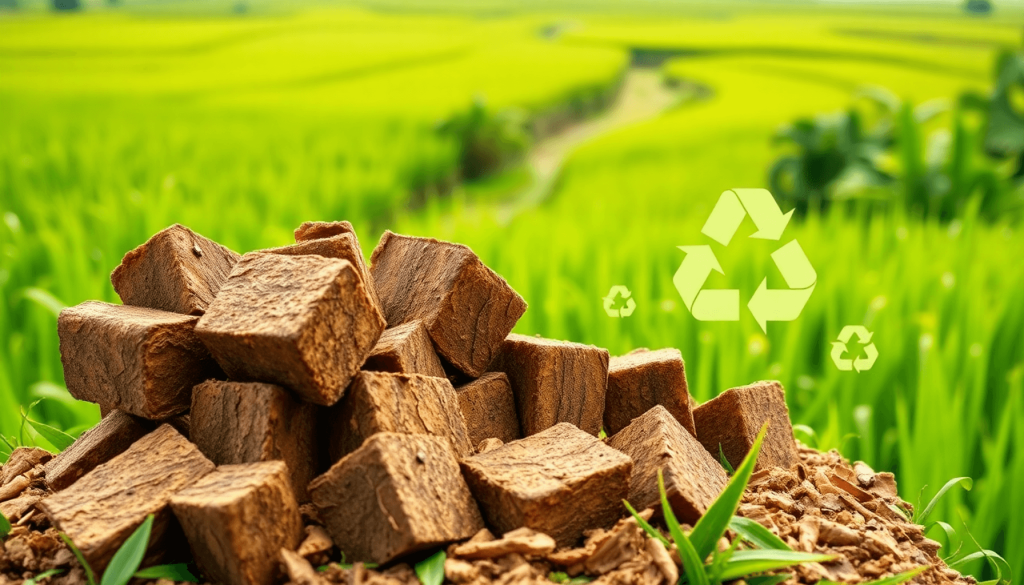
Coconut Briquettes Contribute To Clean Energy Sustainability
Understanding how coconut briquettes contribute to clean energy begins with their raw material source. Manufacturers transform discarded coconut shells, a significant agricultural waste product, into high-quality fuel. This process adheres perfectly to the waste to energy principle of the circular economy, providing a powerful model for sustainable resource management globally.
Diverting massive volumes of coconut shell waste from landfills or open burning prevents substantial methane and carbon emissions, drastically reducing the local environmental footprint. To find out more about sourcing and supplying these sustainable, eco-friendly energy solutions, visit jacoid.com.
Mitigating Environmental Waste Challenges
Traditional disposal methods often involve direct incineration which releases harmful smoke and soot into the atmosphere. The controlled production of coconut charcoal entirely bypasses this pollution risk.Instead the modern process utilizes pyrolysis converting biomass efficiently into charcoal under limited oxygen. Furthermore this method captures or manages emissions far more effectively than traditional techniques.
The shift toward utilizing this agricultural residue provides a profitable revenue stream for local farming communities. This economic benefit strengthens the clean energy supply chain at its very source.
Reducing Deforestation And Carbon Footprint
The primary clean energy contribution of coconut briquettes contribute to clean energy lies in their sustainable sourcing. They offer a direct replacement for wood-based charcoal actively reducing global deforestation rates.
Supporting Global Sustainable Sourcing
Wood charcoal production drives severe environmental degradation and contributes heavily to global warming. Coconut briquettes offer an environmentally conscious alternative that protects natural forest resources.Manufacturers source their raw materials from abundant renewable coconut crops which avoids cutting down trees entirely. Moreover the coconut tree itself captures carbon during its long growth cycle.
This sustainable sourcing enables the industry to claim carbon benefits supporting a lower net carbon footprint than fossil fuels. This factor drives adoption among environmentally conscious consumers and businesses.
Superior Combustion And Emission Reduction
The high technical quality of the finished briquette dictates its contribution to cleaner combustion. Performance fuels must burn longer and cleaner than their traditional counterparts.
Delivering High Performance Clean Combustion
Coconut charcoal boasts an exceptional fixed carbon content typically over 75 percent. This density ensures an exceptionally long consistent burn time reducing overall fuel consumption significantly.They produce minimal smoke and virtually no noxious odors during combustion. Specifically this superior cleanliness makes them the preferred fuel for indoor shisha and safe outdoor grilling.
The low ash residue typically under 3 percent further confirms the fuel’s purity and complete combustion efficiency. Clean burning translates directly into improved air quality and reduced health risks for end users.
Market Growth And Final Takeaways
The global market increasingly embraces these briquettes acknowledging their crucial environmental role. Major importers drive this shift toward responsible and clean energy fuel options.Consumers and businesses now recognize the clear environmental and performance benefits this fuel provides. This market acceptance secures the industry’s future as a clean energy provider.
For a detailed exploration of the manufacturing processes and environmental standards that define this fuel source consult this guide on coconut briquettes clean energy.Ultimately understanding how coconut briquettes contribute to clean energy confirms their status as a leading sustainable fuel for the twenty first century.
Conclusion
Coconut briquettes offer an optimal clean energy solution by successfully recycling agricultural waste materials. Their major contribution involves reducing global deforestation and minimizing harmful combustion emissions significantly.This highly efficient fuel source provides superior clean performance with minimal ash and exceptional burn time. Ultimately coconut briquettes confirm their status as a leader in the global shift toward sustainable energy sources.