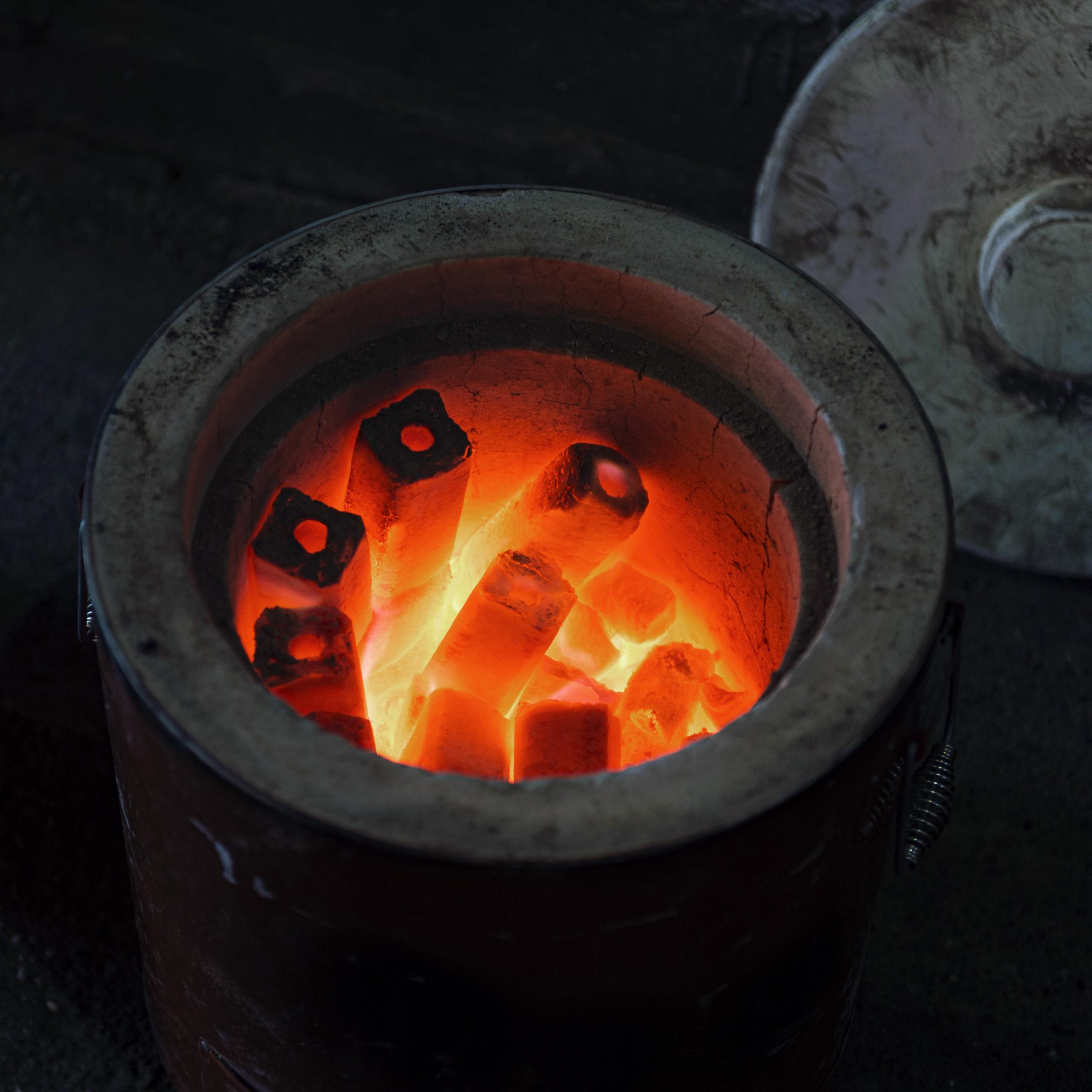
Are Briquettes Less Polluting?

In today’s world, finding sustainable and eco-friendly fuel alternatives is more important than ever. One of the most significant questions people ask is, Are briquettes less polluting? The answer lies in their composition, manufacturing process, and the way they are used. Unlike traditional firewood or coal, briquettes offer a cleaner and more efficient way to produce heat and energy. In this article, we’ll explore why briquettes are considered less polluting and why opting for coconut shell charcoal briquettes can be a game-changer.
What Makes Briquettes Less Polluting?
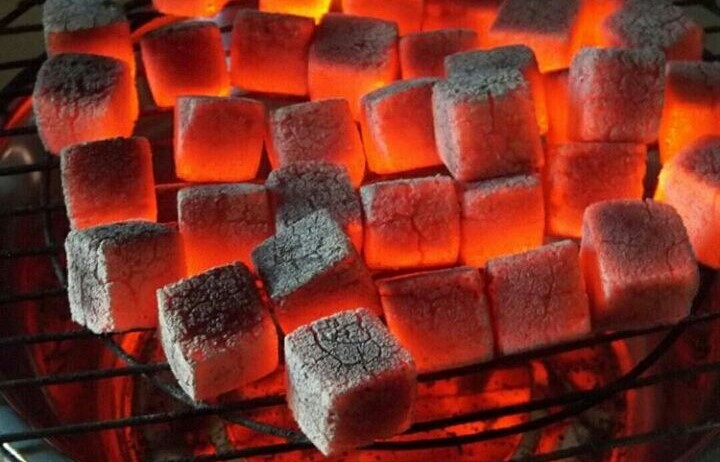
1. Lower Emissions
Briquettes, especially those made from coconut shell charcoal, produce significantly lower levels of carbon monoxide, sulfur, and particulate matter compared to traditional fuels. The compressed nature of briquettes ensures a uniform burn, minimizing the release of harmful gases into the atmosphere.
2. Sustainable Raw Materials
Unlike coal, which is mined and contributes to deforestation and soil degradation, briquettes are often made from renewable and biodegradable materials like agricultural waste, sawdust, or coconut shells. This reduces the carbon footprint associated with their production.
3. High Energy Efficiency
Briquettes have a higher energy density than firewood, meaning they burn longer and hotter. This efficiency reduces the overall amount of fuel needed, indirectly reducing pollution levels.
The Environmental Benefits of Coconut Shell Charcoal Briquettes
Among the various types of briquettes, those made from coconut shells are particularly eco-friendly. Coconut shell charcoal is a byproduct of coconut farming, making it a waste material that is repurposed rather than discarded. This aligns perfectly with the principles of a circular economy.
- Reduced Deforestation: Using coconut shells instead of wood helps preserve forests and their ecosystems.
- Cleaner Combustion: Coconut shell charcoal briquettes burn cleanly, leaving minimal ash and emitting fewer harmful gases.
- Waste Management: Repurposing coconut shells helps reduce agricultural waste, which might otherwise end up in landfills or be burned, contributing to air pollution.
For more information about high-quality coconut shell charcoal briquettes, visit jacoid.com.
Comparing Briquettes with Firewood and Coal
| Feature | Briquettes | Firewood | Coal |
|---|---|---|---|
| Emissions | Low | High | Very High |
| Raw Material Source | Sustainable (e.g., biomass) | Non-renewable (trees) | Non-renewable (mining) |
| Combustion Efficiency | High | Low | Medium |
| Environmental Impact | Minimal | Significant | Severe |
Why Choose Briquettes Over Traditional Fuels?
Switching to briquettes, especially coconut shell charcoal briquettes, comes with numerous benefits:
- Health Benefits: Reduced indoor air pollution from cleaner combustion improves respiratory health for households using these briquettes for cooking or heating.
- Economic Savings: Their higher efficiency means you need fewer briquettes compared to firewood or coal, saving costs in the long run.
- Eco-Conscious Lifestyle: Choosing briquettes supports sustainable practices and reduces your carbon footprint.
Challenges and How to Overcome Them
While briquettes are an excellent alternative, challenges such as initial cost and accessibility might deter some users. Governments and organizations can promote their use by subsidizing prices and raising awareness about their environmental and health benefits.
In conclusion, are briquettes less polluting?
So, are briquettes less polluting? Absolutely. Their lower emissions, sustainable production, and efficiency make them a superior choice over traditional fuels like firewood and coal. By adopting coconut shell charcoal briquettes, you not only contribute to a cleaner environment but also support sustainable farming practices. Ready to make the switch? Learn more at jacoid.com.


More Stories
Analisis Kebutuhan Informasi Pengguna Website untuk Konten
Ketika seseorang mengunjungi website, setiap orang tentu memiliki tujuan yang berbeda. Ada pengunjung yang ingin mencari informasi produk, memahami layanan,...

Cara Menemukan Peluang Topik SEO untuk Konten Website
Mencari ide untuk membuat konten website memang sering terasa mudah pada awalnya. Namun, ketika sudah menghasilkan banyak artikel, seseorang bisa...
Susunan Konten Website Perusahaan yang Terarah dan Informatif
Susunan Konten Website perusahaan biasanya langsung tertuju pada desain, warna, logo, dan tampilan halaman utama. Padahal, tampilan menarik saja belum...
Cara Menggunakan Hand Traktor Dua Roda dengan Aman
Cara menggunakan hand traktor dua roda perlu dipahami sebelum mengolah lahan. Pengguna baru sebaiknya mengenali kendali, membaca buku panduan, dan...

Cara Agar Artikel Dibagikan dan Lebih Banyak Pembaca
Membuat artikel memang membutuhkan waktu, mulai dari mencari topik, menyusun ide, menulis pembahasan, hingga memeriksa kembali setiap bagian sebelum publikasi....
Website Nyaman untuk Pengunjung dengan Pengalaman Browsing yang Lebih Baik
Pengunjung biasanya memiliki tujuan tertentu ketika membuka sebuah website. Mereka mungkin ingin membaca informasi, mencari produk, menggunakan layanan, atau menghubungi...
