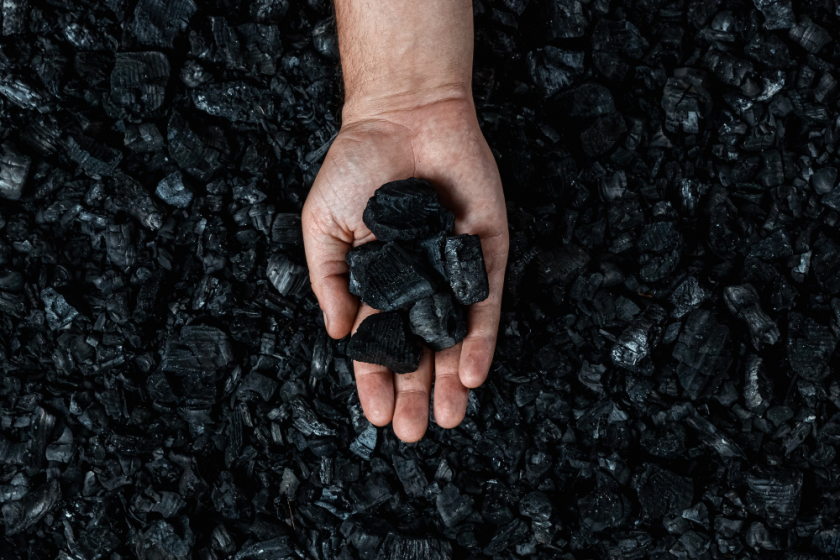
Briquettes for Heating Rooms in Winter
As temperatures drop during the colder months, the demand for reliable, cost-effective, and environmentally conscious heating solutions increases—especially in regions with long, harsh winters. One practical alternative that has gained attention in recent years is the use of briquettes for heating rooms in winter. These compressed blocks of biomass offer a stable heat source, and among them, the coconut shell charcoal briquette stands out due to its clean burn, minimal ash residue, and long-lasting heat.
Unlike regular charcoal, they burn evenly and produce consistent, long-lasting heat, which is ideal for maintaining warmth over extended periods. They also emit significantly less smoke and ash, making them perfect for enclosed spaces, where air quality and cleanliness are important.
Briquettes for Heating Rooms in Winter
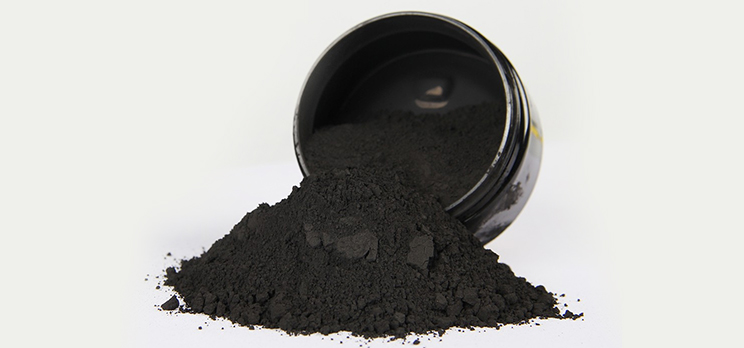
Why Briquettes Are Ideal for Indoor Heating
A major benefit of briquettes is their consistent and long-lasting heat production. Briquettes burn more slowly and evenly than traditional wood or lump charcoal. This results in a steady heat supply that can warm rooms for several hours without the need for constant refueling. For those living in areas with extended winter seasons, this level of efficiency helps to save both time and money.
Energy efficiency is another major benefit. Briquettes convert a higher percentage of their mass into usable energy, which means less material is needed to produce the same amount of heat compared to conventional firewood. In practical terms, this reduces the overall cost of heating during the winter months and lowers fuel consumption—an important factor in regions where heating demands can last for half the year or more.
Types of Briquettes Suitable for Heating
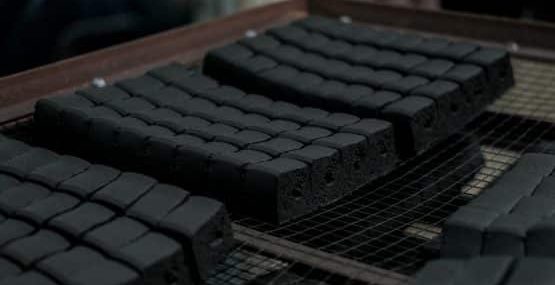
1. Coconut Shell Charcoal Briquettes
Coconut shell charcoal briquettes are highly valued for their clean combustion. When burned, they produce very little ash, which reduces the need for regular cleaning of heaters or stoves. They also emit less smoke and fewer pollutants, making them ideal for use in homes, especially where ventilation might be limited.
2. Sawdust or Wood Briquettes
Sawdust or wood briquettes, made from compressed wood particles or woodworking waste, are another sustainable option. These briquettes also burn efficiently and are widely available in many regions. Both types offer a great alternative to conventional heating fuels and contribute to a more circular economy by utilizing waste materials.
Environmental Benefits of Briquette Usage
The production and use of briquettes contribute to a more sustainable environment in multiple ways. First, they are typically made from biomass waste, such as coconut shells, rice husks, sawdust, and other agricultural by-products that would otherwise be discarded or burned in open air.
Briquettes release fewer greenhouse gases compared to fossil fuels. Their lower carbon emissions help slow the pace of climate change, making them an attractive alternative for environmentally conscious consumers. By shifting to biomass briquettes, households can play a role in supporting renewable energy sources and reducing their reliance on non-renewable fossil fuels.
A Smart Choice for Cold Climates
In countries with long winters and high heating needs, like Germany, Norway, or Canada, briquettes are becoming increasingly popular. Their affordability, availability, and environmental benefits make them an appealing option for homeowners.
Ultimately, briquettes—especially coconut shell charcoal briquettes—offer a practical, clean, and efficient. Way to keep rooms warm during the winter months. With their stable heat, low environmental impact, and ability to utilize waste materials. They represent a smart and sustainable solution for modern heating needs.