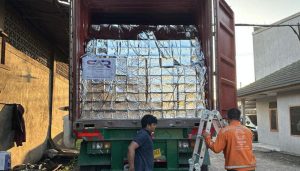
As the demand for eco-friendly and sustainable energy solutions continues to rise, the role of coconut charcoal briquette importers in Europe has become increasingly vital. Coconut Charcoal Briquettes, made from compressed organic materials like wood, charcoal, and agricultural waste, offer a cleaner and more sustainable alternative to traditional fuels. In this article, we will explore the opportunities and trends for briquette importers in Europe, and how businesses can capitalize on this growing market.
The Growing Demand for Sustainable Energy
In recent years, European countries have been at the forefront of the global shift toward renewable energy sources. Governments and businesses across the continent are seeking ways to reduce carbon emissions and move away from fossil fuels. Biomass products, such as briquettes, have gained significant popularity due to their ability to provide a reliable and environmentally friendly energy source.
Coconut Charcoal Briquettes are a key component of Europe’s renewable energy strategy. They can be used for heating, cooking, and even electricity generation. Compared to traditional fossil fuels, briquettes produce fewer pollutants and greenhouse gases. As a result, they have become a crucial part of Europe’s energy transition.
Key Markets for Briquette Importers in Europe
Europe is a diverse market with varying energy needs and regulations. Some of the key countries for coconut charcoal briquette importers include:
- Germany – As one of Europe’s leading economies, Germany is a major player in the renewable energy sector. The country’s commitment to reducing its carbon footprint makes it a prime market for briquette importers.
- The United Kingdom – The UK has been actively shifting towards renewable energy sources. Coconut Charcoal Briquettes are an important fuel for households and businesses looking for clean and affordable energy alternatives.
- France – France has made significant investments in biomass energy. With a focus on sustainability, the demand for coconut charcoal briquettes in France is expected to continue growing.
- Italy and Spain – These Mediterranean countries are also embracing the use of renewable energy, particularly for heating purposes. Coconut Charcoal Briquettes are an attractive option for both residential and commercial sectors.
Trends Shaping the Coconut Charcoal Briquette Import Industry
Several trends are influencing the briquette import market in Europe:
- Increased Government Support – Many European governments offer subsidies, incentives, and tax breaks for businesses involved in renewable energy. This has created a favorable environment for briquette importers.
- Focus on Quality and Certification – With the rising demand for sustainable products, consumers are becoming more discerning. Briquette importers who can guarantee high-quality products that meet European sustainability standards are well-positioned for success.
- Logistics and Supply Chain Innovations – As the briquette market grows, efficient logistics and distribution networks are essential. Importers who invest in advanced supply chain solutions can reduce costs and improve delivery times.
- Rising Consumer Awareness – European consumers are increasingly aware of the environmental impact of their energy choices. This has led to a surge in demand for sustainable and eco-friendly products like briquettes.
Challenges for Coconut Charcoal Briquette Importers
While the opportunities in the European briquette market are significant, there are also challenges that importers need to navigate:
- Competition – The growing popularity of coconut harcoal briquettes means that competition is intensifying. Importers must differentiate themselves by offering superior products and excellent customer service.
- Logistical Hurdles – Importing coconut charcoal briquettes involves managing complex logistics, especially given the varying regulations and transportation costs across Europe.
- Sustainability Standards – Meeting Europe’s stringent environmental standards can be challenging. Importers must ensure that their Coconut Charcoal briquette suppliers adhere to the necessary certifications and quality controls.
Conclusion
Coconut Charcoal Briquette importers in Europe play a critical role in meeting the continent’s growing demand for sustainable energy solutions. By focusing on quality, leveraging government incentives, and staying ahead of market trends, businesses can capitalize on this expanding market. As the demand for clean energy alternatives continues to rise, the future looks bright for Coconut Charcoal briquette importers across Europe.


